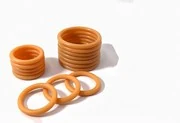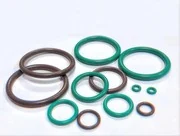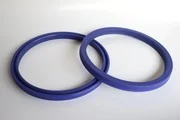
Custom seals work best when the application, geometry and validation criteria are defined before mold production begins.
Define the interface
Provide a dimensioned drawing or a stable sample, plus the mating hardware, groove dimensions and available space. For assemblies, indicate how the seal is installed and which surfaces move against it.
Set the material requirements
The material brief should include media, temperature, pressure, hardness, color and any documentation needed for the end market. If the environment includes cleaning agents or intermittent excursions, include those as well.
Validate a prototype
Test the sample before approving volume production. Check fit, sealing function, installation effort and appearance. A measured sample review is more useful than approving a render or drawing alone.
Agree the production specification
Lock the drawing, material, packaging, inspection criteria and order release process. This step keeps repeat orders consistent and gives both teams a clear reference for future communication.