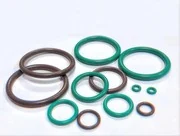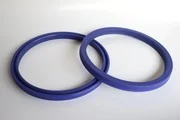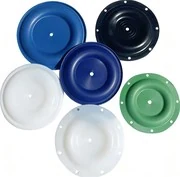
The best O-ring is not the most expensive one. It is the one that remains compatible with the media, temperature and mechanical cycle of the actual application.
Start with the operating environment
Record the maximum and minimum temperature, the media being sealed, system pressure, movement type and expected service life. For dynamic seals, also note stroke speed, cycle frequency and surface finish.
Compare the elastomer families
NBR is a practical choice for many oil and hydraulic applications. FKM adds higher temperature and chemical resistance. FFKM addresses aggressive media and plasma service where conventional elastomers may fail. Silicone is valuable in wide-temperature and clean applications, while EPDM is often selected for water, steam and weather exposure.
Confirm the grade, not only the family
Two materials with the same short code can use different formulations. Hardness, compression set, low-temperature behavior, extractables and documentation should be confirmed against the real process. A sample test is often the most reliable way to validate the final specification.
Use the data sheet as a starting point
Chemical compatibility charts are guides, not guarantees. Concentration, temperature and contact time change the result. Share complete process details with our team so the material recommendation can be tied to the application rather than a generic catalog rating.